
Last Updated: October 9, 2026
Table of Contents
6 Tips for a Successful BTC for ETH Exchange
Ethereum completed its transition to a proof-of-stake model in September 2022. This change reduced the network’s energy consumption compared with its previous proof-of-work system. However, it does not guarantee that Ethereum’s price will rise or that ETH will become deflationary under all market conditions.
Many investors consider swapping Bitcoin (BTC) for Ethereum (ETH) when their investment goals or market outlook changes. Before making a trade, it is important to understand market conditions, exchange fees, security, and the risks involved.
In this article, we provide six practical tips to help make your BTC-to-ETH exchange more informed and secure.
This article belongs to the Business & Finance.
6 Tips for Exchanging BTC for ETH
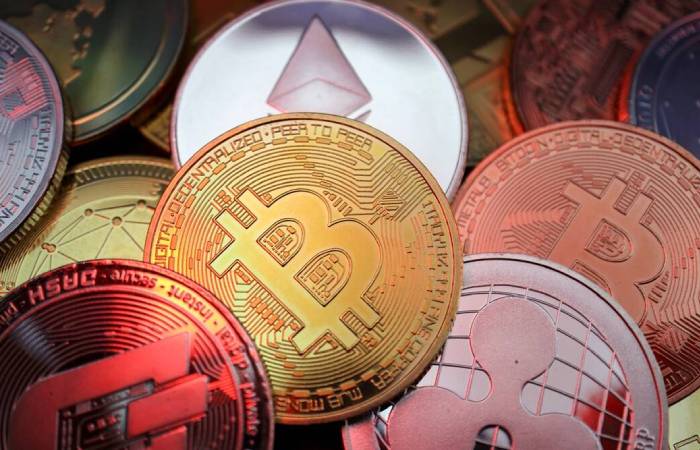
Want to make an informed Bitcoin-to-Ethereum exchange? These six tips can help you compare your options and protect your funds.
1. Begin With Proper Market Research
Your first step should be thorough market research. Start by understanding the factors that influence Bitcoin and Ethereum prices. These include market demand, economic conditions, regulatory developments, network upgrades, and investor sentiment.
Next, learn how each blockchain works. Bitcoin and Ethereum serve different purposes, so their prices may respond differently to market events. Follow reliable news sources and review current market data before making a decision.
However, remember that research cannot predict prices with certainty. Avoid making trades based only on social media posts or claims about an upcoming price rally.
Cryptocurrency adoption also varies between countries because of local regulations, payment options, and market access. For a broader perspective, read this guide to cryptocurrency in Iraq.
2. Choose an Investment Strategy
Next, choose a strategy that matches your financial goals and risk tolerance. If you prefer a longer investment horizon, you might research trend trading or swing trading. These approaches focus on price movements over longer periods.
Alternatively, day trading and scalping involve frequent trades over shorter periods. They require close monitoring of the market and can increase costs because of repeated transactions.
No strategy guarantees profits. Short-term trading can be particularly risky because prices may change rapidly. Set clear limits before trading, and never invest money you cannot afford to lose.
It is also useful to decide in advance when you will enter or exit a trade. A clear plan can help reduce impulsive decisions during periods of market volatility.
3. Decide What You Value the Most
Security and privacy are essential when trading cryptocurrencies. Before choosing an exchange, research its reputation, security features, fee structure, and history of handling security incidents.
Check whether the platform offers two-factor authentication, withdrawal controls, and clear customer support procedures. Also, understand who controls your funds while they remain on the platform.
Privacy deserves attention as well. Public blockchain transactions may reveal wallet addresses and transaction amounts. Therefore, cryptocurrency transactions should not automatically be considered anonymous.
Protect your account credentials and never share your wallet’s recovery phrase. Be cautious of messages that promise guaranteed returns or ask you to transfer funds urgently.
4. Look for Optimal Exchange Rates
Exchange rates and fees can affect how much ETH you receive for your BTC. Compare the quoted rate across reputable platforms before confirming a trade.
Check more than the advertised trading fee. You should also consider withdrawal fees, network fees, and any spread between the quoted buying and selling prices. These costs can reduce the final amount you receive.
For example, a platform with a low trading fee may still be expensive if its exchange rate is less competitive. Compare the total cost of the transaction rather than looking at one fee alone.
Fees can also differ between cryptocurrency services and products. For another example of costs to consider, read this guide explaining BinaryX (BNX) fees and what users need to know.
5. Choose the Suitable Exchange Platform Type
Your next step is choosing the right type of exchange. Centralized exchanges typically provide trading interfaces, account support, and markets for swapping BTC for ETH. However, users generally rely on the platform to hold their funds while trading.
Decentralized exchanges allow users to swap supported assets through blockchain-based protocols. However, many decentralized exchanges operate on specific networks and may not support a direct swap between native BTC and ETH. A bridge or wrapped asset may be required, which introduces additional risks.
Compare the available options based on security, supported assets, fees, liquidity, and local regulations. Make sure you understand how the exchange works before depositing funds.
Mining is another part of the wider cryptocurrency ecosystem, although it is different from exchanging BTC for ETH. If you want to understand another blockchain-related activity, explore this in-depth look at Helium (HNT) mining and its profitability.
6. Make Sure You Have a Secure Wallet
A secure wallet is an important part of managing cryptocurrency. You can choose from hardware, mobile, desktop, and other wallet types, depending on your needs.
Hardware wallets keep private keys offline when used correctly, which can reduce exposure to online attacks. Mobile and desktop wallets may offer greater convenience, but they require careful device and account security.
Before transferring funds, confirm that your wallet supports the asset and the correct network. Always verify the receiving address, and consider a small test transfer when appropriate.
Hardware wallets usually cost money, while many software wallets are available at no charge. However, price alone does not determine security. Choose a reputable wallet, download software from official sources, and store your recovery phrase in a safe place.
Final Take
Exchanging BTC for ETH can seem complicated when you are new to cryptocurrency. However, careful research and good security practices can help you make more informed decisions.
Compare exchange rates, understand all transaction fees, and choose a platform that suits your needs. Protect your wallet and private keys, and avoid decisions based on guaranteed-profit claims.
Most importantly, remember that cryptocurrency prices are volatile. No trading strategy can guarantee a profit, so assess the risks carefully before exchanging your Bitcoin for Ethereum.