
Last Updated: September 9, 2026
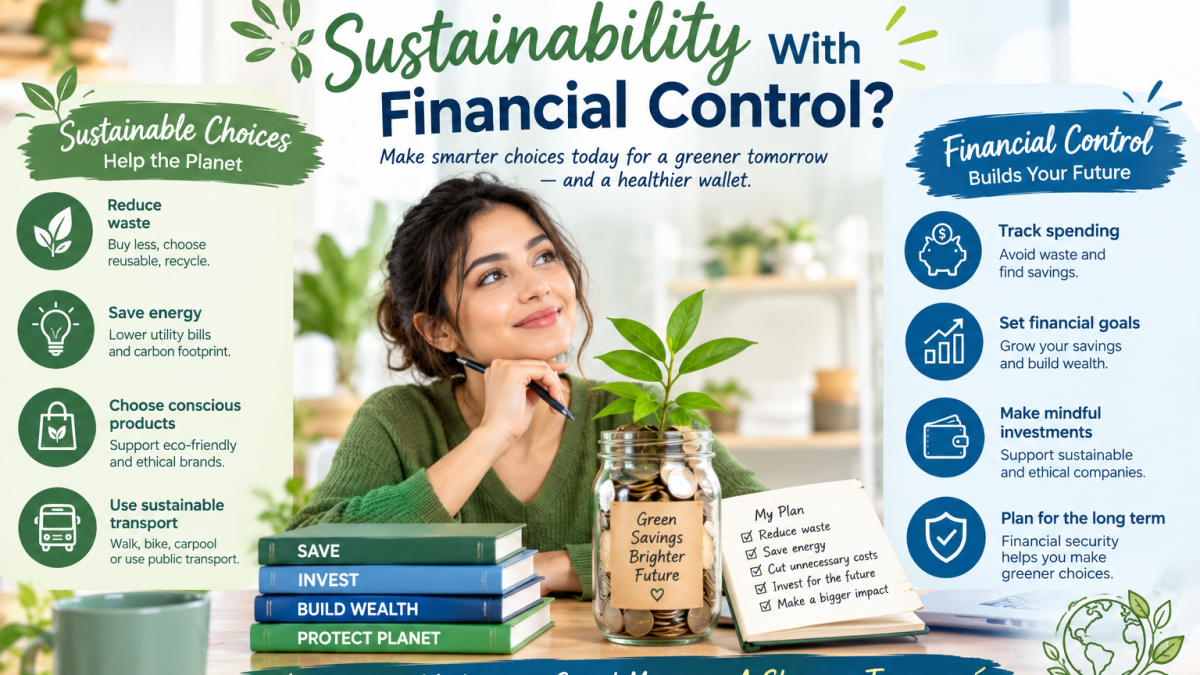
The sustainability and financial dimension are sometimes considered as conflicting business goals. One is about environmental and social issues and the other is about spending, budgets and financial discipline. However, procurement can actually connect all these areas together in reality. All suppliers, contracts, product procurement and invoice approvals can have an impact on costs, as well as a cost-effective, sustainable outcome. Sustainable procurement is not a project in its own right, but can be embedded within the financial decision making process by applying the right processes and technology.
Table of Contents
Bringing Sustainability Into Spending Decisions
The first step in financial control is to know where your money goes. One way to incorporate sustainability into the same purchasing decision is to look at the whole value of the purchase made by an organization.
Low purchase cost can seem good, but can add up to a high total cost if the product is expected to be replaced regularly, has a low life or large disposal issues.
This allows procurement staff to review purchase decisions with financial and Sustainability factors in mind. In order to be able to determine the value it is important to look at things beyond the first price. This way, organizations can meet responsible buying while achieving their practical financial goals.
Defining Measurable Sustainability Standards
If sustainability goals are to have an impact on procurement decisions, they must have standards. Organizations can create criteria related to material sourcing, energy efficiency, packaging, waste reduction, supplier practice and environmental certification.
Simple standards facilitate sustainability assessments when it comes to supplier choice. They also offer a set of uniform guidelines to help procurement teams compare products or suppliers. Instead of having to make broad statements of being “environmentally responsible”, businesses can ask for relevant documentation and measurable information from a purchase to pay software.
Clear definitions help to increase sustainability transparency and linkage to procurement governance.
Tracking Total Cost Beyond Purchase Price
A quotation is only a price that is not necessarily the total cost of a purchase. The costs can be affected by transportation, maintenance, energy use, storage, disposal, and replacement.
Some of these hidden costs can be caught by procurement teams by looking at sustainability issues.
For instance, a product that will be used longer may be a higher upfront cost, but it will need less replacement. Likewise, the same may be true of energy efficient equipment where operating cost savings exist. Total cost is useful for reinforcing the financial control because decisions are made for long term costs and values not just price.
Using Technology For Spending Visibility
If it isn’t visible to the organization, it’s not controllable. Procurement staff want to have precise details on suppliers, purchasing activity, contracts, invoices, and spending habits.
Digital procurement systems can help with this, centralize all this information, and make it easier to relate the decision of purchasing with the financial records.
Organizations can use a current purchase to pay software solutions to control activities from purchase request to ordering, receiving, invoicing and payment. By tying them together, finance and procurement teams can get a better understanding of how the sustainability requirements affect real spending.
Building Sustainable Approval Workflows
Approval processes change and allow the integration of financial discipline and sustainability needs.
Purchasing rules can be set up that mandate review for certain categories, suppliers, or spending amounts. Where relevant, sustainability criteria may be added as they will not add unnecessary complexity.
A major equipment purchase could necessitate an energy-efficiency or product-life assessment, in addition to a financial approval. Incorporating these factors into a workflow makes responsible purchasing a regular process, rather than an extra manual effort.
Monitoring Supplier Performance Over Time
Choosing a sustainable supplier is just the first step. Organizations must also decide on the acceptability of suppliers in terms of maintaining agreed standards.
Delivery history, quality documents, compliance paperwork, environmental information and contractual obligations are all ways to review supplier performance. By regularly checking on changes, businesses will be able to see changes before they become big risks.
It can assist with financial control by determining the suppliers that do not provide good quality or timely delivery, or that their products may not meet the requirements, therefore leading to potential extra costs. Continuous monitoring establishes accountability along the supplier journey.
Reducing Waste Through Better Procurement
It’s not only about the environment; there are financial consequences to waste reduction as well. Leaving products in stock, product damage, unnecessary packaging and poor purchasing practices can all contribute to wasting resources.
Procurement teams can engage suppliers on opportunities for sustainable procurement solutions that can mitigate these issues. A better demand plan can help to avoid over purchasing and supplier contracts, set the right packaging and delivery conditions.
Less waste can lead to less waste disposal and cost, better inventory management, and more efficient resource use for organizations. In this way, sustainability is directly linked to working efficiency.
Aligning Finance And Procurement Teams
Sustainability initiatives can lose momentum when procurement and finance teams operate according to completely different priorities.
Procurement could be on the supplier aspect and responsible sourcing, and finance is on budgets and cost control. A shared approach will enable both teams to consider a purchase on a whole-picture basis.
It’s possible to develop common cost, quality, risk and sustainability metrics through regular communication. This can help to provide a more even-handed approach, making it less likely that sustainability criteria have been forgotten in the course of financial discussions.
Conclusion
You don’t need to prioritize one over the other when it comes to sustainability and financial management. Purchase to Pay software can make responsible purchasing more practical and easy to measure by establishing measurable requirements, considering all costs, tracking suppliers, minimizing waste, and integrating purchasing information with financial processes. Further, digital workflows can further reinforce this connection, which involves integrating purchasing and financial activities into a coordinated environment. Procol offers insights and solutions for more connected and responsible procurement as a resource for businesses interested.