Last Updated: October 5, 2026
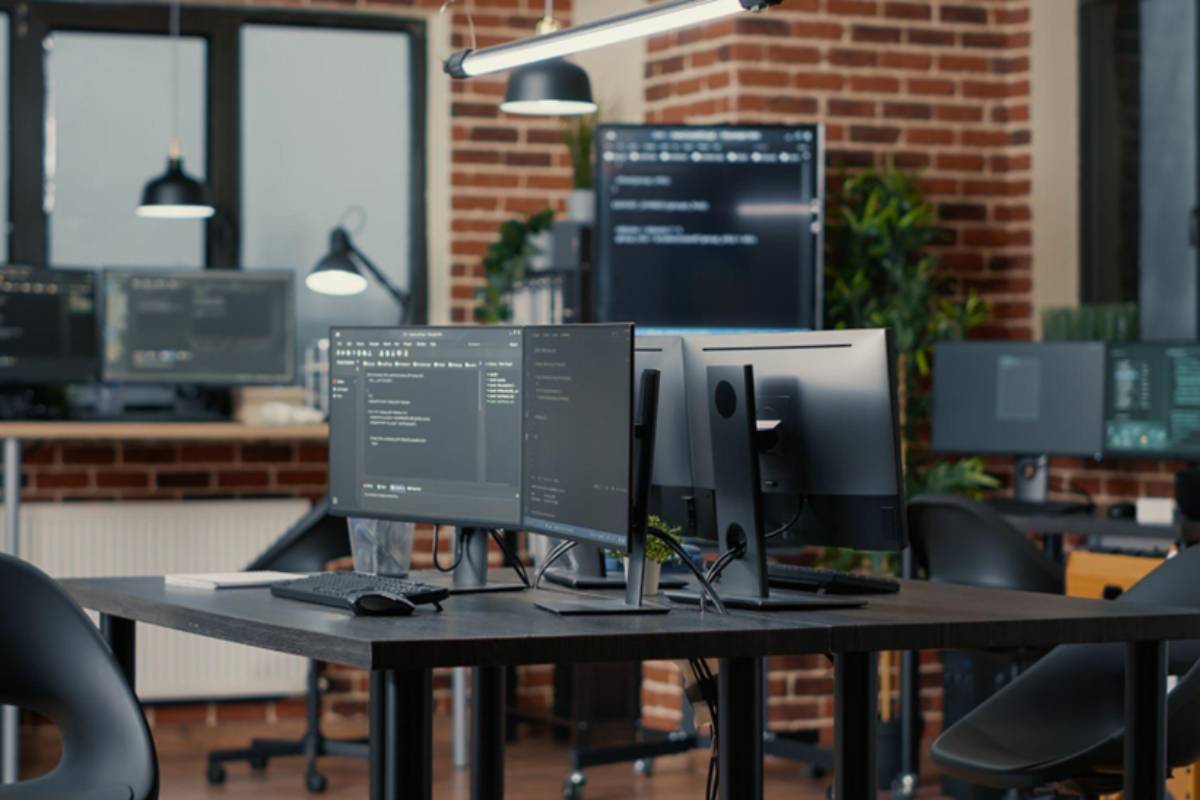
Whether big or small, every office needs to be kitted out fully in order to function efficiently and productively. While setting up an office isn’t rocket science, it pays to make a plan (and a budget) to get your business running quickly and smoothly. There are essential items of equipment and furniture you’ll need for the bare bones, and various other requirements to make the place comfortable and professional for staff and visitors alike. Whether you’re building a new office from scratch, or simply refreshing your workspace, here are some of the essential items you’ll need for your business.
This article belongs to the Home & Living.
Table of Contents
Desks and chairs
Let’s start with the obvious – offices need desks and chairs for both you and your employees. Desks come in all shapes and sizes and can be found to suit all budgets. Adjustable desks are becoming popular, which allow the user to sit or stand – studies show that sitting all day can be bad for health. Chairs are also varied, but the emphasis is placed on ergonomic design, allowing workers to be productive without discomfort. Again, these can be found to suit all budgets, and if money is tight the second-hand market offers good options.
When planning the physical setup of an office, it is also important to think about how the surrounding space will be arranged. A well-organized workspace can make moving furniture and equipment easier while helping employees settle into their working environment. Businesses preparing for changes to their premises can also benefit from these important tips for moving out during home renovation, especially when planning temporary arrangements.
Computers
It goes without saying that offices need computers. The type of business you do determines the kinds of computers you’ll use – you may need basic machines to run office applications and handle admin, or you may need state-of-the-art computers for graphical capabilities, etc. The pandemic has shifted many businesses’ focus to remote work, so laptops might suit your needs better than desktops.
For businesses setting up a workspace, computer equipment is only one part of creating an efficient working environment. Proper furniture, connectivity, accessories, and other technology can all contribute to a more practical office setup. A useful guide to essential tools and tech for your home office setup can also provide ideas that can be adapted to a professional office.
Printers
Though some offices aim to be paperless, most businesses will require some printed materials. Choosing the right printer for your office depends on the level of usage it will get among other factors. Printers can be inkjet or laser, and again, choosing between them depends on your requirements and budget – inkjets are initially cheaper, but cost more to maintain, whereas laser models are more expensive to purchase, but become cost-effective the more you use them.
Other hardware
Your business may require additional electrical equipment such as a scanner or a fax machine (though the latter is becoming obsolete). Often these are built into a printer, but you may need a stand-alone scanner for security passes or other items.
Office equipment should also be considered alongside the condition and usability of other appliances in the workspace. Knowing the average lifespan of home appliances can be useful when planning replacement schedules for equipment and appliances that support everyday operations.
High-speed internet
Every office has to be connected to the internet, and the faster and more reliable the service, the better. Choose the most reputable provider in your area, and make sure you have good-quality cables and a powerful router. Remember, as well as connecting to your customers via social media and other channels, you need to be able to access servers or cloud storage, run databases, etc.
Telephone system
Although smartphones and tablets have made landlines all but obsolete for consumers, an office telephone system is still a basic requirement. This allows reception to field and screen calls, employees to quickly contact one another, and provides reliable service in case of a mobile network outage.
Lighting and temperature
Ambient conditions have been shown to have a profound effect on the happiness and productivity of office workers. Natural light is the best, so if you have windows, make the most of them. But most offices don’t have that luxury, so controlling conditions is essential. The light temperature in an office should be cool or neutral, and many offices now opt for relaxing zones with warmer temperatures to allow workers to rest and recharge during a busy day. Likewise, air conditioners should be modern and fully functional, to maintain a comfortable environment no matter the weather outside.
Kitchen facilities
An office needs a place where workers can store or prepare food and beverages. The amount of staff working in the office, and budgetary concerns, tend to determine the facilities on offer. You may opt for a coffee machine, or choose to provide coffee and tea bags. A fridge with adequate storage space should be provided, as well as a sink large enough to accommodate your worker’s needs. Fresh water should be available throughout the office. Most offices aim to cut down on single-use plastics, and bigger companies often provide workers with reusable water bottles.
A comfortable and attractive office also benefits from thoughtful interior planning. From furniture arrangements to décor choices, small improvements can make the workplace feel more professional and welcoming. Businesses looking for practical decorating ideas can explore DecoratorAdvice.com home for inspiration when planning the look and feel of their workspace.
Preparing the Office for Business Operations
Setting up an office may also involve changes to a larger commercial space, particularly when a business is moving into a renovated or newly arranged property. Renovation planning should take into account storage, lighting, workspace organization, and the movement of employees and equipment. Businesses working with larger facilities can also benefit from these warehouse renovation tips when planning improvements to operational areas.
Office relocation requires a similar level of preparation, especially when computers, furniture, documents, and other equipment all need to be moved without disrupting business activities. Creating a clear plan before the move can help reduce delays and misplaced items. A complete checklist for office relocation can help businesses organize the process and make the transition to a new workspace smoother.
This list covers the basics of most office requirements. While there are a number of factors to consider when running a successful business, making sure your workspace is properly equipped means your business can hit the ground running.