Last Updated: October 23, 2026
Table of Contents
Introduction
In today’s digital era, starting an online business has become one of the easiest and most powerful ways to earn money and build a career. With internet access growing rapidly in India and platforms like Amazon, Flipkart, and Shopify making selling easier, anyone can launch a business from home.
Whether you are a student, beginner, or aspiring entrepreneur, online businesses offer flexibility, low investment, and strong earning potential. This guide will help you understand everything you need to know to start and grow a successful online business in 2026.
The online market is also changing quickly. New tools, digital platforms, and customer habits create fresh opportunities every year. However, success still requires planning, patience, and consistent effort.
This article belongs to the Business & Finance.
Overview
An online business is any business activity conducted over the internet. It includes selling products, offering services, or earning through digital platforms.
You can sell physical products, provide professional services, create digital products, or build an audience through content. The right choice depends on your skills, budget, and long-term goals.
Key Benefits
- Low startup cost
- Work from anywhere
- Global customer reach
- Flexible working hours
- High scalability
- Access to digital marketing tools
- Opportunity to reach niche audiences
With proper planning and execution, even beginners can succeed in the online business world.
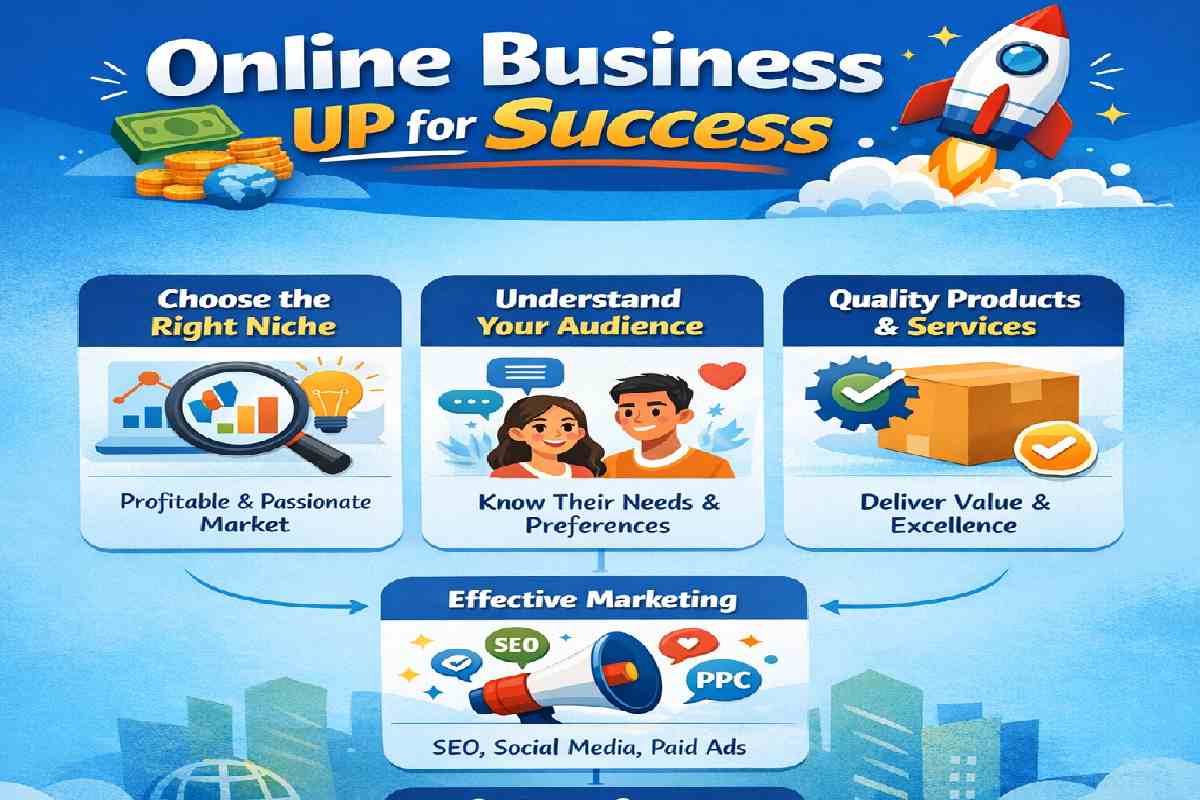
Online Business Up for Success
To make your online business successful, you need a strong foundation and strategy. A good idea alone is not enough. You also need to understand your customers and provide real value.
Key Success Factors
- Choosing the right niche
- Understanding your audience
- Consistent marketing
- High-quality products/services
- Good customer support
- Competitive pricing
- Regular performance tracking
Tools like Google Trends can help you identify trending opportunities. You can also study competitors to understand what customers like and where existing businesses can improve.
Before launching, create a simple plan. Decide what you want to sell, who you want to reach, and how you will generate revenue.
Best Online Business Ideas for Beginners in India 2026
| Business Idea | Investment | Skills Required | Profit Potential |
|---|---|---|---|
| Dropshipping | Low | Basic marketing | High |
| Freelancing | Zero–Low | Writing, design, coding | High |
| Blogging | Low | Content writing | Medium–High |
| YouTube Channel | Low | Video creation | High |
| Affiliate Marketing | Zero–Low | Marketing | High |
| Online Tutoring | Low | Subject knowledge | High |
| Print-on-Demand | Low | Design skills | Medium |
| Social Media Manager | Low | Marketing skills | High |
Each business model has different requirements. Freelancing may be easier for people who already have a useful skill. Dropshipping may suit people interested in e-commerce. Blogging and YouTube can work well for people who enjoy creating content.
Choose an option that matches your interests and abilities. This makes it easier to stay consistent.
Top Ten Online Businesses
| Rank | Business Type | Description |
|---|---|---|
| 1 | E-commerce Store | Selling products online |
| 2 | Dropshipping | Selling without inventory |
| 3 | Freelancing | Offering online services |
| 4 | Blogging | Content + ads income |
| 5 | YouTube Channel | Video-based earnings |
| 6 | Affiliate Marketing | Commission-based income |
| 7 | Digital Products | Courses, eBooks |
| 8 | App Development | Creating apps |
| 9 | Online Coaching | Teaching skills |
| 10 | Social Media Marketing | Managing brands online |
These businesses can be started at different investment levels. Some require money for software, advertising, or inventory. Others mainly require time and skills.
For example, an e-commerce store may need product sourcing and delivery support. A freelancer may only need a computer, internet connection, and professional skills.
How to Start a Successful Online Business: A Step-by-Step
Step 1: Choose a Niche
Select a specific area like fitness, education, or fashion.
A focused niche helps you understand your customers better. It also makes your marketing more targeted.
Step 2: Research the Market
Understand competitors and customer needs.
Look at existing products and services. Read customer reviews and identify common complaints. These insights can help you create a better offer.
Step 3: Create a Business Plan
Define your goals, target audience, and income strategy.
Your plan does not need to be complicated. Start with your product, pricing, expected expenses, marketing channels, and revenue goals.
Step 4: Build Your Platform
- Website using WordPress
- Store using Shopify
- Social media accounts
- Business email
Your platform should make it easy for customers to understand your offer. Keep your website simple, fast, and easy to navigate.
If you plan to sell physical products, supplier quality is also important. For businesses that need disposable gloves or similar products, this complete guide to finding a latex glove supplier can help you understand important supplier selection factors.
Step 5: Create Quality Content
Use tools like Canva for attractive designs.
Create useful content that answers customer questions. You can publish blog posts, videos, product guides, social media posts, and tutorials.
Quality content can also improve your search visibility. More importantly, it helps build trust with your audience.
Step 6: Start Marketing
- SEO
- Social media marketing
- Paid ads
- Email marketing
- Content marketing
Start with one or two channels instead of trying everything at once. Track your results and focus more on the channels that bring valuable visitors and customers.
Step 7: Launch and Sell
Start selling products or services and collect feedback.
Do not wait for everything to be perfect. Launch your basic offer, listen to customers, and make improvements.
Customer feedback can help you identify problems with your pricing, product, website, or support process.
Step 8: Improve and Scale
Track performance using Google Analytics and grow your business.
Review important numbers such as website traffic, conversion rates, sales, and customer retention. Use this information to make better decisions.
As your business grows, you may also need better logistics and fulfillment systems. Understanding strategies to reduce your operations fulfillment costs can help you control expenses and improve efficiency.
What Are the Most Profitable Online Businesses?
| Business Type | Profit Margin | Demand Level | Scalability |
|---|---|---|---|
| Affiliate Marketing | High | High | Very High |
| Digital Products | Very High | High | Very High |
| Freelancing | High | High | Medium |
| Dropshipping | Medium | High | High |
| Online Courses | Very High | High | Very High |
| Blogging | Medium | Medium | High |
| YouTube | High | High | Very High |
Profitability depends on many factors. Your niche, pricing, marketing, competition, and customer demand can all affect your results.
Digital products can have strong margins because they do not require physical inventory. However, creating a useful product still requires research and effort.
Online Business Ideas Without Investment
Starting without investment is possible with the right approach. You can begin by using skills you already have.
Zero Investment Ideas
- Freelancing (writing, design, coding)
- Affiliate marketing
- Blogging (free platforms)
- Social media management
- Online tutoring
- Content creation on YouTube
You mainly need skills, time, and consistency.
Free tools can help you create content, communicate with customers, and promote your services. As your income grows, you can reinvest some of your earnings into better tools and advertising.
Managing Business Growth
Growing an online business requires more than getting new customers. You also need to manage orders, communication, marketing, and daily operations.
Create simple systems for repetitive tasks. Use automation where possible and keep your business records organized.
If your business involves transportation or delivery, planning ahead is also important. Exploring truck-related small business ideas can provide useful ideas for businesses that depend on transportation and logistics.
Always focus on customer experience. Happy customers are more likely to return and recommend your business to others.
Common Mistakes to Avoid
Beginners often make mistakes when starting an online business. One common mistake is choosing a niche without researching demand.
Another mistake is trying to use every marketing channel at once. This can waste time and money.
Avoid ignoring customer feedback. Your customers can provide valuable information about what works and what needs improvement.
You should also avoid expecting instant results. Building traffic, trust, and a loyal customer base takes time.
Conclusion
Starting an online business in 2026 is a great opportunity for beginners in India. With the right idea, proper planning, and consistent effort, you can build a successful and profitable business from home.
Focus on learning, improving your skills, and understanding your customers. Choose a business model that fits your abilities and resources.
Remember, success doesn’t happen overnight. Start small, track your progress, learn from mistakes, and keep improving. With patience and dedication, you can build a sustainable online business and work toward your long-term goals.
FAQs
1. Which online business is best in India for beginners?
Freelancing, blogging, and affiliate marketing are great options. Choose one based on your skills and interests.
2. Can I start an online business without investment?
Yes. Freelancing, affiliate marketing, online tutoring, and content creation can be started with little or no upfront investment.
3. How long does it take to succeed?
It usually takes 3–12 months depending on effort, niche, competition, and strategy. Some businesses may take longer to become profitable.
4. Is online business profitable in 2026?
Yes. Increasing internet usage and digital growth continue to create opportunities for online businesses.
5. Do I need technical skills?
Basic skills are enough to start many online businesses. You can learn more advanced skills through online courses, tutorials, and practical experience.