Last Updated: October 9, 2026
Table of Contents
Inbound and Outbound Marketing
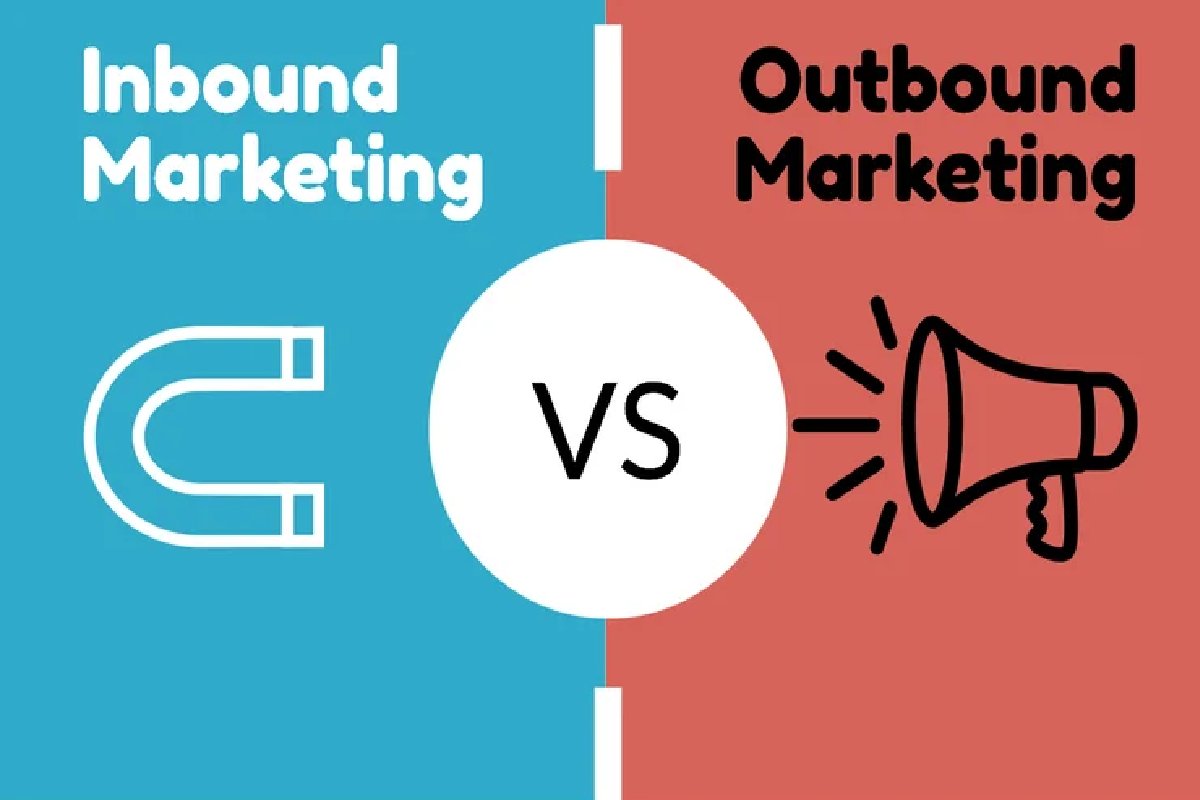
What is the best way to spend your marketing budget in the current business climate? Some companies focus on advertising, also known as outbound marketing, while others prioritize SEO and content creation, which are key parts of inbound marketing. Understanding the differences between inbound and outbound marketing is essential for choosing the right approach for your business.
Both strategies can help attract customers, increase brand awareness, and generate sales. The best choice depends on your audience, budget, business goals, and timeline. Many companies achieve better results by combining both approaches.
This article belongs to the Business & Finance.
What Is Outbound Marketing?
Promotional activities that reach out to an audience and try to capture its attention were once simply called marketing. Today, this approach is known as outbound marketing. Traditional advertising relied heavily on outbound methods, such as:
- Billboards
- TV commercials
- Radio commercials
- Print advertising
- Direct mail
- Directory listings
- Cold calling
Modern digital marketing also includes outbound techniques, such as:
- Display ads
- Social media advertising
- Online radio advertising
- YouTube ads
- Promotional email campaigns
Outbound marketing distributes messages to potential customers through selected channels. It often aims to reach a broad audience, although modern advertising platforms also allow detailed audience targeting. This approach has both advantages and disadvantages.
For example, a physical guitar store might use billboards, mailed flyers, and radio advertisements to promote a sale. If the store also sells guitars online, it could use Google Ads, Facebook ads, and other paid promotional methods to reach potential buyers.
What Is Inbound Marketing?
Inbound marketing attracts audiences by providing useful content that potential customers can discover when searching for information. Instead of interrupting people with promotional messages, businesses aim to answer questions, solve problems, and build trust.
Examples of inbound marketing include:
- Blog posts
- Reviews and testimonials
- Infographics
- Videos
- White papers
- Lead magnets, such as e-books, checklists, and webinars
- Search engine optimization (SEO)
- Educational guides and tutorials
Inbound marketing connects with people who are actively looking for information about a product, service, or topic. By offering valuable content, businesses can build brand awareness and develop relationships with potential customers.
For example, an online guitar store could publish downloadable sheet music, playing tutorials, instrument reviews, and technical articles. People searching for guitar-related information may discover the content through search engines and share it on social media. This can bring more relevant visitors to the website.
Businesses can also make content more relevant by considering audience interests and preferences. Learning about personalized marketing can help marketers understand how tailored messages and recommendations support more meaningful customer experiences.
Difference Between Inbound and Outbound Marketing
| Feature | Inbound Marketing | Outbound Marketing |
|---|---|---|
| Definition | Attracts customers through valuable content | Reaches customers through promotional messages |
| Approach | Pull strategy: customers find you | Push strategy: you approach customers |
| Examples | Blogs, SEO, educational videos, content marketing | TV ads, cold calls, radio ads, paid promotions |
| Customer Interaction | Encourages two-way communication | Often starts with one-way communication |
| Cost | Can provide lower long-term costs | May require ongoing advertising spend |
| Audience Targeting | Attracts people interested in a topic | Can target broad or specific audiences |
| Trust Level | Builds trust over time | May feel interruptive if poorly targeted |
| Results | Often slower but can last longer | Can generate faster visibility |
| Focus | Customer needs and value | Product or service promotion |
Advantages of Outbound Marketing
Outbound marketing offers several benefits for businesses that want to promote their products or services.
- Wide reach: Advertising can introduce a brand to many people within a short period.
- Easy implementation: Businesses can launch campaigns through established advertising platforms.
- Increased brand exposure: Repeated exposure can help audiences recognize a brand.
- Potential for quick results: Paid campaigns can begin generating impressions, clicks, and inquiries soon after launch.
Outbound marketing can be particularly useful for product launches, seasonal promotions, events, and limited-time offers. However, businesses should measure campaign performance rather than assume that greater exposure automatically leads to more sales.
Disadvantages of Outbound Marketing
Despite its benefits, outbound marketing has some limitations.
- Generic messaging: Broad campaigns may not address each customer’s specific needs.
- Easy to avoid: Consumers can skip commercials, block ads, unsubscribe from promotional emails, or ignore calls.
- Low response rates: Many people who see an advertisement may not take action.
- Potentially intrusive: Excessive or poorly targeted promotions can frustrate audiences.
- Ongoing costs: Businesses often need to continue spending to maintain paid advertising visibility.
Outbound marketing can reach many people quickly, but results depend on the quality of the campaign, audience relevance, and the offer. Digital advertising also faces challenges from ad-blocking tools and competition for attention.
Advantages of Inbound Marketing
Inbound marketing helps businesses attract potential customers by providing useful information and experiences.
- Builds brand authority: Helpful content can demonstrate knowledge and expertise.
- Reaches interested audiences: Search-focused content can attract people researching a purchase.
- Builds relationships: Consistent, useful communication can encourage trust.
- Avoids unnecessary interruptions: Audiences can discover content when they need it.
- Supports long-term returns: Content may continue attracting visitors long after publication.
Inbound marketing can be especially valuable when customers need time to research options before making a decision. Well-maintained evergreen content can continue to attract relevant traffic, although rankings and audience interest may change over time.
Disadvantages of Inbound Marketing
Inbound marketing also presents challenges that businesses should consider.
- Requires planning: Content needs research, production, optimization, and regular updates.
- Higher initial investment: Businesses must invest time and resources before seeing substantial results.
- Slower outcomes: SEO and audience trust often take time to develop.
- Ongoing maintenance: Content may need updates to remain accurate and relevant.
- Competitive environment: Ranking for popular search terms can be difficult.
For these reasons, inbound marketing is often best suited to businesses that can commit to consistent content creation and long-term improvement.
Outbound vs. Inbound Marketing
| Feature | Outbound Marketing | Inbound Marketing |
|---|---|---|
| Meaning | You reach out to customers | Customers discover your content |
| Strategy | Push strategy | Pull strategy |
| Examples | TV ads, cold calls, display ads | Blogs, SEO, educational content |
| Cost | Often involves ongoing campaign spending | Requires content investment and maintenance |
| Audience | Broad or specifically targeted | Often attracts people with relevant interests |
| Communication | Frequently starts with a promotional message | Encourages engagement and interaction |
| Results | Can generate faster visibility | Often builds results gradually |
| Trust Level | Depends on relevance and delivery | Can build trust through consistent value |
Neither approach is always better. Businesses should evaluate their goals, resources, and customer behavior before deciding how to distribute their marketing budget.
Inbound Advertising or Outbound Advertising?
When choosing between inbound and outbound marketing, or deciding how to balance both, businesses should consider their situation carefully.
- Define your target market. Identify the people most likely to need your products or services.
- Understand buying behavior. Research how potential customers discover brands, compare options, and make purchasing decisions.
- Study competitors. Review the channels and messages competitors use to reach their audiences.
- Set clear goals. Decide whether you want to increase brand awareness, generate sales, grow website traffic, or strengthen customer relationships.
- Establish a timeline. Determine whether you need immediate results or can invest in a long-term strategy.
- Set a realistic budget. Allocate funds according to your goals and the resources available.
Inbound marketing usually requires an upfront investment in content and optimization. However, useful content can continue attracting visitors over time. Outbound marketing can generate visibility more quickly, but paid campaigns often need continued investment to maintain reach.
For businesses using paid search, campaign planning and regular optimization can help improve budget efficiency. This guide to high-ROI campaigns through AdWords consulting services explores how targeting, keyword selection, and performance analysis can support advertising decisions.
Combining Both Strategies
Many businesses combine inbound and outbound marketing to create a more complete customer journey. They publish useful content that people can discover naturally and then use paid advertising to increase the visibility of their best-performing resources.
For example, an online guitar store could create advanced playing tutorials to attract experienced musicians. It could then promote those tutorials through YouTube and social media ads to reach a wider relevant audience.
The store might also offer a free e-book featuring guitar techniques as a lead magnet. Visitors who choose to download it could receive follow-up emails with additional lessons and relevant product information. These messages should be sent responsibly, with appropriate consent and an easy way to unsubscribe.
Businesses can also monitor media coverage and public conversations to understand which topics attract attention. A media monitoring service can help track relevant mentions and identify trends that may inform content planning, public relations, and campaign messaging.
When inbound and outbound marketing work together, businesses can attract new audiences, nurture interested prospects, and guide potential customers toward suitable products or services. The key is to ensure that each channel supports the same goals and provides a consistent brand experience.
Which One Will You Choose?
Understanding the differences between inbound and outbound marketing helps businesses select the right techniques for their needs.
Outbound marketing can be effective when a business needs to reach an audience quickly, promote a launch, or generate immediate awareness. However, its performance depends on campaign quality, targeting, and budget management.
Inbound marketing is useful for businesses that want to build authority, provide valuable information, and develop long-term relationships with customers. Although it can take longer to produce results, quality content may continue attracting relevant audiences over time.
For many businesses, the most practical approach is to combine both methods. Start with clear objectives, test suitable channels, measure meaningful results, and adjust your strategy as you learn more about your audience.