Last Updated: October 15, 2026
Buying a used car can be a great way to save money, especially when you find a vehicle that’s been well-maintained and has plenty of life left in it. However, it’s also easy to get carried away when you spot a car you love at a price that seems too good to pass up. Before you hand over your money, it’s worth knowing what could go wrong and how to avoid making an expensive mistake. These are the biggest mistakes to watch out for when shopping for a used car.
Table of Contents
Not Researching The Car’s History
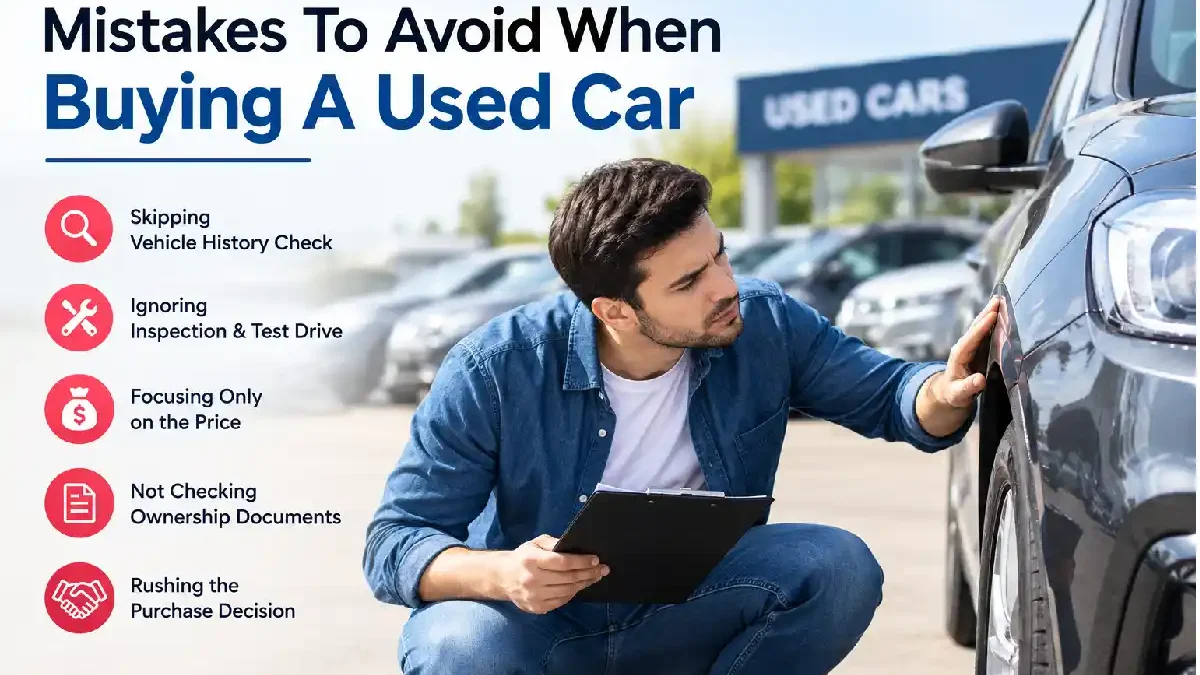
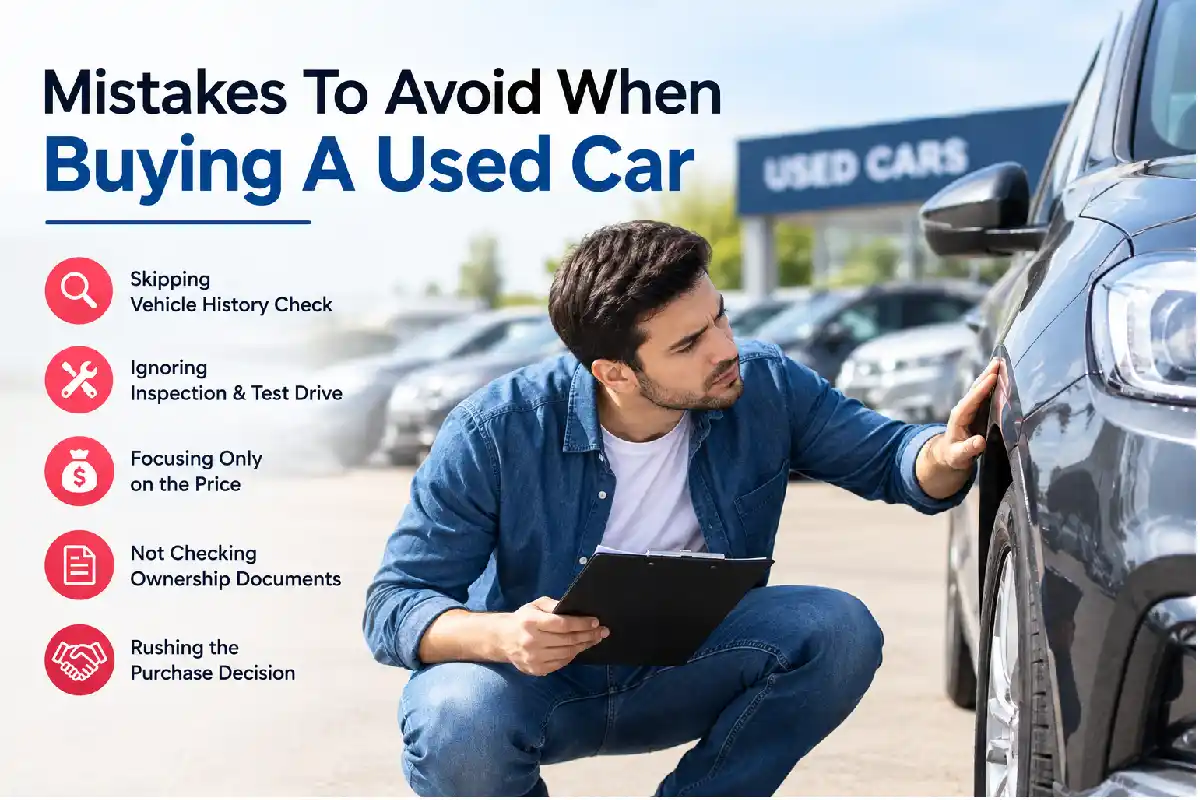
One of the biggest mistakes you can make is buying a used car without checking its history. A vehicle might look fantastic on the outside, but that doesn’t necessarily mean it hasn’t been involved in an accident or experienced serious mechanical problems. Always request a vehicle history report and check for previous accidents, title issues, and reported mileage discrepancies. It’s also worth asking for maintenance records so you can get a better idea of how well the previous owner looked after the car.
Skipping The Test Drive
You wouldn’t buy a pair of shoes without checking whether they fit, so why take a chance on something as expensive as a car? A test drive gives you the opportunity to see how the vehicle handles and whether it feels comfortable. Pay attention to unusual noises, vibrations, braking performance, and how smoothly the transmission shifts. Try driving on different types of roads if possible, and make sure everything from the air conditioning to the dashboard controls works properly.
Forgetting About Extra Costs
It’s easy to focus entirely on the advertised price, but the cost of buying a used car doesn’t stop there. You’ll also need to think about insurance, registration fees, taxes, maintenance, and potentially repairs.
If you’re purchasing a vehicle from another city or state, transportation costs should also factor into your budget. For example, comparing quotes from San Antonio, TX car transporters can help you understand the cost of having a vehicle delivered rather than driving it home yourself. Taking all these expenses into account will help you decide whether the car really is good value.
Not Getting An Independent Inspection
Even if a car looks and drives perfectly, there could still be problems hiding beneath the surface. That’s why arranging an independent inspection with a qualified mechanic is one of the smartest things you can do. A professional can check important components such as the engine, brakes, suspension, and transmission. If the seller refuses to allow an inspection, consider it a warning sign and think carefully before proceeding.
Rushing Into A Decision
Finally, don’t let excitement or pressure from a salesperson convince you to make a decision before you’re ready. There will always be other cars available, and rushing could leave you with a vehicle that doesn’t meet your needs or costs a lot more than you anticipated based on repairs.
Compare similar models, research typical market prices, and ask plenty of questions. Most importantly, be prepared to walk away if something doesn’t feel right. You are within your rights to.