
Last Updated: October 9, 2026
NFTs are an exciting digital asset class. They represent unique items that can be owned and traded online. Blockchain technology records NFT ownership and transactions. However, NFTs also carry risks, and their prices can change quickly.
Here are four important characteristics of NFTs:
- Supply and demand affect value. NFT prices depend on buyer interest, scarcity, and market trends. Their prices can fluctuate significantly, so investors can lose money.
- Creators have flexibility. Artists and developers can create NFTs for digital art, music, collectibles, and other uses. They can also choose different features for their digital assets.
- Blockchain records transactions. Many NFT transactions are recorded on public blockchains. This allows people to verify transaction details, although it does not guarantee that every NFT is authentic or valuable.
- NFTs can be created in large numbers. Many blockchains support the creation of new NFTs. However, creating an NFT does not automatically give it value or guarantee a profit.
Before investing, research the project, creator, marketplace, and potential risks. Avoid websites that promise guaranteed returns or pressure you to invest quickly.
You can also learn more about cryptocurrency adoption in different markets through this guide to cryptocurrency in Iraq.
This article belongs to the Business & Finance.
Table of Contents
Considerations
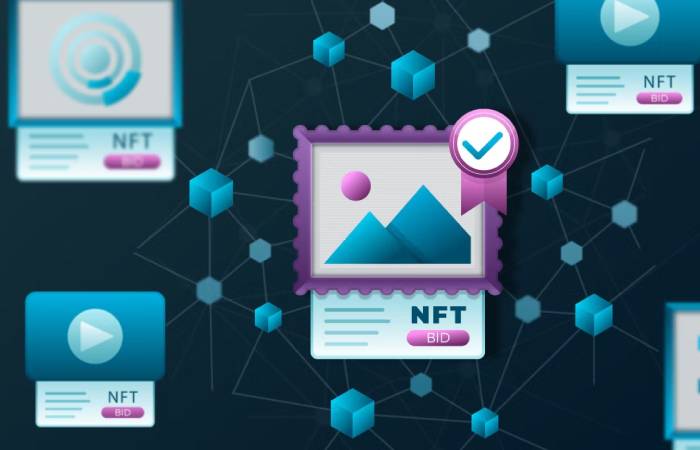
Market trends are important when trading digital assets. One way to study these trends is to review daily price movements and trading volumes. This can help you understand how prices change over time.
Some markets show clear patterns, while others move unpredictably. Therefore, avoid relying on past price movements alone. A pattern that worked before may not continue in the future.
Sometimes, the market shows no clear direction. In that situation, it may be better to wait rather than make a rushed decision. You can also compare different assets and trading strategies before investing.
A well-maintained portfolio can help you manage risk. However, diversification does not guarantee profits or prevent all losses. Keep enough money available for essential expenses, and avoid investing funds you cannot afford to lose.
Advantages of wallets
1. Keep your assets safe and secure
Digital wallets allow you to store and manage cryptocurrency and, where supported, NFTs. Choosing a reliable wallet is an important step in protecting your assets.
Look for a wallet with strong security features and regular software updates. Use a unique password and enable two-factor authentication when available. For additional protection, consider a hardware wallet from a reputable provider, such as Ledger or Trezor.
You should also protect your recovery phrase. Never share it with anyone or enter it on an unfamiliar website. If someone obtains your recovery phrase, they may gain control of your assets.
Before choosing a wallet, check which blockchains and tokens it supports. A wallet that works with one network may not support every NFT or cryptocurrency.
2. Protect your privacy
Privacy is another important consideration when using digital currencies. Some wallets allow you to transact without directly displaying your name in every transaction. However, most public blockchains do not provide complete anonymity.
Transaction details and wallet addresses may be visible to the public. In some cases, these details can be linked to a person’s identity. Therefore, avoid sharing information that connects your personal identity to your wallet address.
Use strong passwords and keep your account details private. Be careful with suspicious links, unexpected messages, and websites that request your wallet connection. These precautions can reduce the risk of scams and unauthorized access.
Digital payments can also involve different services and payment methods. To understand how these options work, read this guide to online payment opportunities with PayPal and Bitcoin.
3. Maintain a balanced portfolio
A balanced portfolio can help you manage your investments more carefully. Instead of putting all your money into one cryptocurrency or NFT collection, consider spreading your investments across different assets.
However, diversification alone cannot eliminate risk. Digital assets can lose value quickly, especially during periods of market uncertainty. Review your portfolio regularly and make changes based on your financial goals and risk tolerance.
It is also important to understand the costs of buying and selling digital assets. Transaction fees, marketplace charges, and network fees can reduce your overall returns.
4. Understand trading risks
Before exchanging one cryptocurrency for another, check the trading pair, exchange rate, transaction fees, and network requirements. Even a small difference in fees or prices can affect the final amount you receive.
For example, if you plan to exchange Bitcoin for Ethereum, review these six tips for a successful BTC-to-ETH exchange. Understanding the process can help you avoid common mistakes.
Never assume that every transaction can be reversed. Many blockchain transactions are difficult or impossible to cancel once confirmed. Always double-check the destination address and network before sending funds.
Final words
NFTs and cryptocurrencies offer new ways to own, trade, and manage digital assets. However, their value can change quickly, and profits are never guaranteed.
To make informed decisions, research every project before investing. Choose a secure wallet, protect your recovery phrase, and monitor your portfolio regularly. Also, keep enough money available for your everyday needs.
Most importantly, avoid rushing into investments because of online promotions or promises of quick returns. A careful approach can help you understand the risks and manage your digital assets more responsibly.