Last Updated: October 13, 2026
Syracuse Dog Trainer – You set household rules after buying a puppy, supplies, and dog-proofing your home. Your new puppy is ready to go home in Syracuse. Of course, you’re happy to start this new friendship but imagine the puppy’s reaction. Just snatched from his mother, siblings, only humans he knows, and familiar habitat.
A puppy may be scared and confused, but there are ways to help him acclimate. You may want to bring him inside, let him explore, and introduce him to his new family. Please go slowly. Give your puppy time to sniff, rest, and become comfortable with unfamiliar surroundings. A calm welcome helps build trust and makes the transition easier for everyone.
This article belongs to the Home & Living.
Table of Contents
Syracuse Dog Trainer Tips for Bringing Your New Puppy Home
That time of year may be full of plans and hopes for you, but it’s all new and can be exciting and scary for a puppy. Do not worry! You can do many things, like introduce the puppy to his new family and person to help him get used to his new life.
Syracuse Dog Trainer tips are given below:
Pick a place to go potty.
First, take him outside where you want him to use the bathroom. Use an order you’ll follow, like “go potty” or something else that works for you, and don’t forget to praise him when he does. Take him to the same spot after waking up, eating, drinking, or playing. Consistency helps your puppy learn where to go and reduces accidents indoors.
Show him around his new house.
You’ve already ensured your puppy can’t get into that part of the house, right? You’ll bring him here. According to Syracuse’s dog trainer, it’s a common mistake for people to think they should just let the puppy run around the house as it pleases. There might be too many new sounds, sights, and people for him to handle at once.
“Let him explore a particular place instead, maybe where his food and drink are,” one of the experts from Sit Means Sit said. “You can also put his box in a small, puppy-proof area where he can get used to it. Let him get used to this space before you send him on any more trips to find out more. Then show him the rest of the house one room at a time, avoiding the rooms you’ve chosen he can’t go into.”
Remove electrical cords, small objects, cleaning products, and anything else your puppy might swallow or chew. Keep doors to unsafe areas closed and use pet gates where necessary. A safe environment allows your puppy to explore without constant interruptions.
Introducing him to his new family.
One person at a time is best, but it will be hard to do this with everyone excited about the new puppy. Try to give him some alone time with each of you, though.
Ask family members to approach calmly and let the puppy come to them when he feels comfortable. Children should learn not to pull his ears or tail, chase him, or disturb him while he eats or sleeps. Gentle introductions help your puppy build positive associations with everyone in the household.
Dogs like to chew.
Give him safe and appropriate chew toys, and if he starts to chew on something else, take his attention away from it and back to his chew toy. These are some more things you can do to deal with a puppy that likes to chew.
Puppies explore the world with their mouths, so chewing is a normal part of development. Offer toys that suit your puppy’s size and age, and supervise him while he uses them. Avoid toys that break into small pieces or could become choking hazards. Praise him when he chooses an appropriate toy.
Take him to where he sleeps.
It’s normal for puppies to sleep for much of the day, sometimes around 18–20 hours depending on their age and activity. Put him in his crate or dog bed when he seems ready for a nap or bedtime. Crates are not “doggie jail,” despite what you might think. Dogs can learn to view a properly introduced crate as a safe resting place.
Make the sleeping area comfortable, quiet, and free from hazards. Introduce the crate gradually with treats and positive experiences rather than using it as punishment. Ensure your puppy has enough opportunities to go outside, including during the night if needed.
Watch your new dog very carefully.
At first, he should always be under your watch or at least visible in his “doggie den.” Moving from room to room with him will allow him to explore while you watch.
Supervision also helps you notice signs that your puppy needs a toilet break, feels tired, or is becoming overwhelmed. If you cannot watch him closely, use a safe, puppy-proof area rather than allowing him to roam freely.
Start following the rules.
Although you might think it’s too early, he needs to learn the rules of the house right away. His day will be easier to handle and make him happy if it is more organized and smooth. If your pet is chewing or doing something else you don’t want them to do, gently move them. If you yell at or punish him, it will only scare and confuse him, not teach him. Don’t forget that he’s still learning what you want from him. One good way to help him understand is to praise good behavior and redirect bad behavior.
Keep household rules consistent. For example, decide whether your puppy is allowed on furniture and where he should sleep before everyone begins teaching different expectations. Short training sessions, rewards, and patience are usually more effective than harsh corrections.
Most importantly, move slowly.
Grow his surroundings slowly, but keep an eye on him constantly. He’ll quickly discover his spot in the newly established “pack” if he gets lots of love and attention from his family. He can follow the rules and daily life, is rewarded for good behavior, and is gently corrected when he does something wrong. Plus, and this is the most essential part, as he gets used to his new home, you will form a bond with him that will last his whole life.
A predictable routine can help your puppy feel secure. Plan regular times for meals, bathroom breaks, play, training, and sleep. Even when your household is busy preparing for a celebration, keep your puppy’s needs in mind. If you’re organizing a special event, these sustainable wedding planning tips offer ideas for thoughtful planning, and the same preparation mindset can help you make sure your new pet’s routine isn’t overlooked.
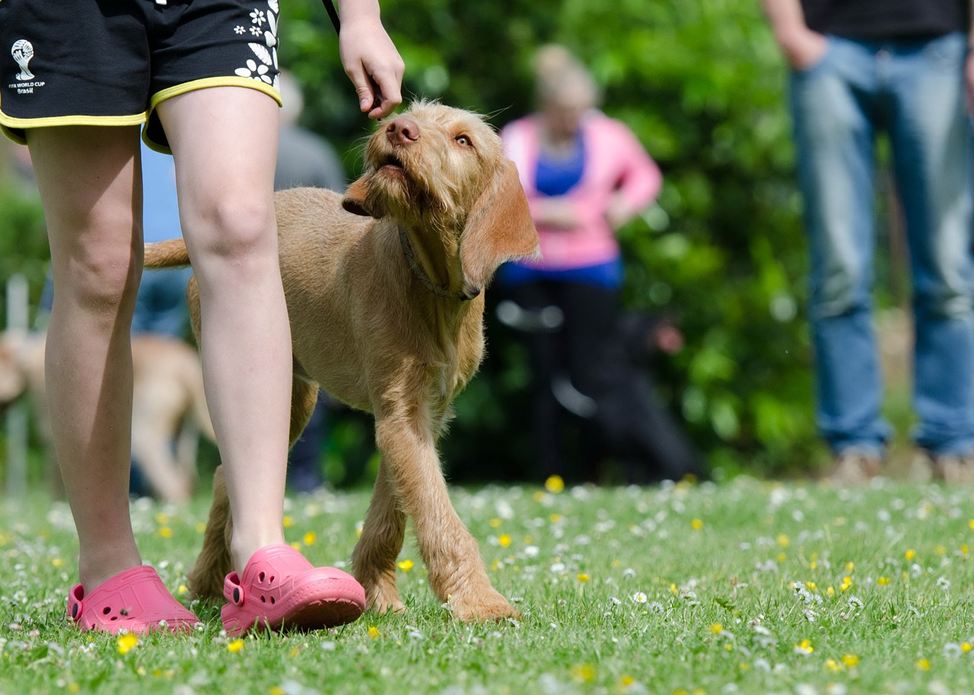
Syracuse Dog Trainer: How To Handle Your Puppy’s First Night At Home?
Most of the time, the first night is hard for you and your new dog. At first, it might be hard for your puppy to settle down, but here are some things you can do to make it easier, according to the Syracuse dog trainers:
- First, it’s essential to know that puppies don’t have set times for going to bed. Let your puppy rest when tired, and make sure children understand that they should not disturb a sleeping dog.
- Decide on a sleeping arrangement before bedtime. If you want your puppy to sleep in a crate or dog bed, introduce it gradually and make the space inviting rather than forcing him to stay there.
- While they are still young, your puppy should sleep in a safe, confined area so they don’t have access to the whole house and get into trouble. A properly sized crate can support house training, but young puppies still need frequent bathroom breaks.
- Make the sleeping area warm and comfortable. Use safe bedding and ensure the puppy cannot chew or swallow any loose materials. Avoid hot water bottles that could leak or burn your puppy.
- Once the sleeping area is ready and your puppy is settled, give him a chance to relax. If he whimpers, check whether he needs to go outside, feels uncomfortable, or is frightened. Respond calmly and help him settle instead of automatically ignoring his distress.
- Your dog will likely have to go to the bathroom at night. Young puppies may need overnight toilet breaks, so be prepared to take them outside when necessary. The right frequency depends on their age and individual needs.
After the first few days, there will be many difficult times. However, the first 24 hours are crucial for setting the tone and ensuring you have a strong base to build.
If you’re preparing your home for the holidays while helping your puppy adjust, keep decorations and electrical cords out of reach, and create a quiet, safe resting area away from busy rooms. These strategies for setting up your Christmas decorations can inspire your seasonal setup, but remember to keep fragile ornaments, tinsel, and other potentially hazardous items away from curious puppies.
Final Thought
Syracuse Dog Trainer – You should slowly show your puppy his new home and family. Going slowly ensures your dog can adequately process everything around him without getting stressed out. You can start training him with the crate after introducing him to his new home and ensuring he feels at home. Also, continue house training and have a feeding routine. You should make an appointment with your vet for your puppy’s first shots. You should also look into local trainers or puppy classes so that your puppy can start to meet other dogs and learn how to behave appropriately. Sit Means Sit’s reliable training helps dogs be more confident.
Remember that training and settling in take time. Every puppy has a different personality, and some may adjust faster than others. Stay patient, reward progress, and seek advice from your veterinarian or a qualified trainer if you have concerns about your puppy’s behavior or wellbeing.
If your family is planning a celebration while your puppy is still adjusting, make arrangements so guests know how to interact with him and where he can rest safely. You can borrow ideas for organizing shared activities from these simple family gift exchange ideas, while keeping your puppy’s comfort and routine at the center of your plans.
FAQs
How long does it take for a puppy to get used to a new home?
Puppies usually need a few days to a few weeks to get used to their new home. To help smooth the change, provide a routine, encouraging reinforcement, and a secure, comfortable place.
Are puppies sad when they first come home?
It’s normal for a puppy to feel unsettled after leaving their litter. A new family and unfamiliar surroundings can be overwhelming, so offer calm reassurance, rest, and gentle introductions.
What is a good potty schedule for a puppy?
Take your puppy outside frequently, often every one to two hours when awake, especially after waking up, playing, eating, and drinking. Always supervise your dog and take them on a leash to a designated toilet place.