Last Updated: October 5, 2026
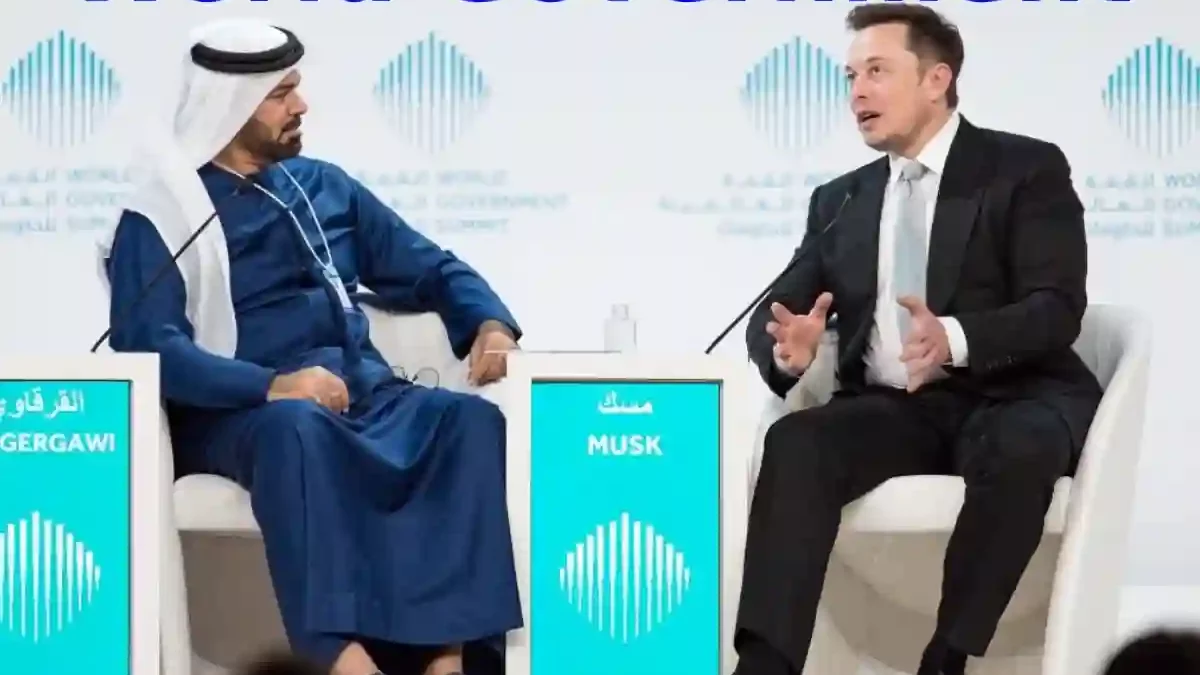
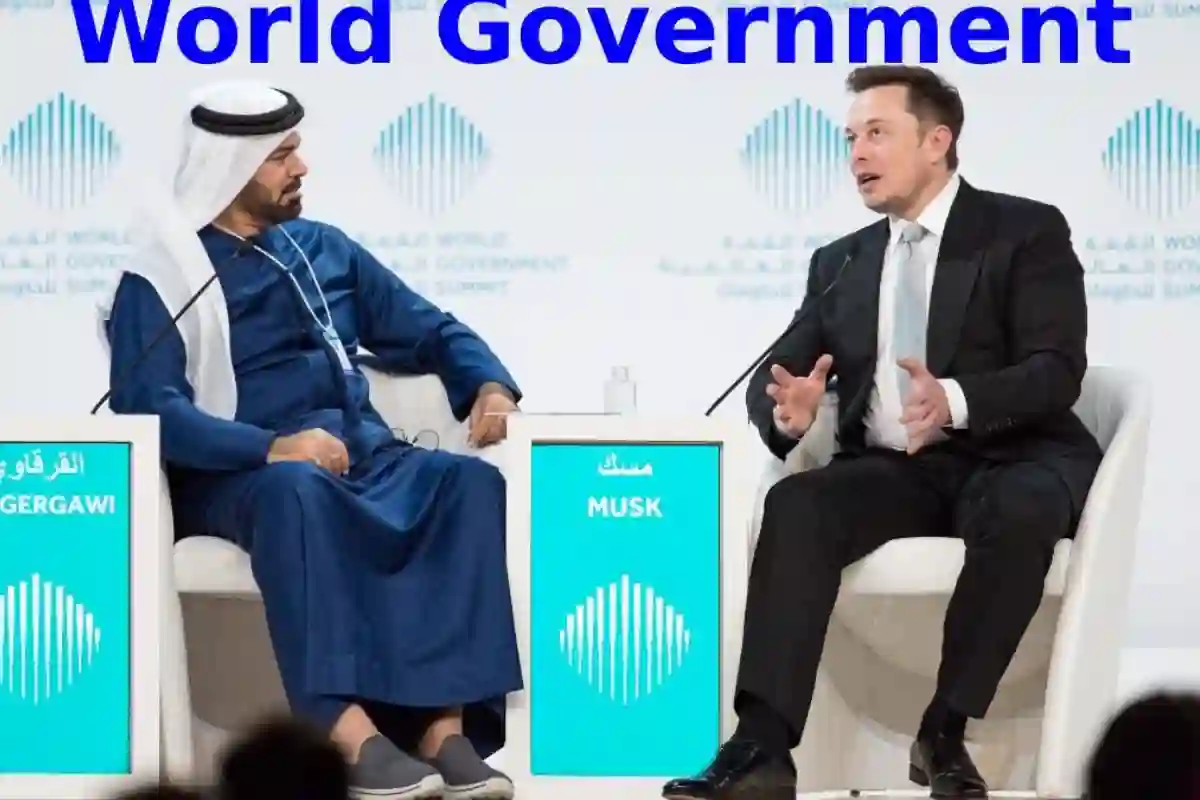
World government is a term that refers to a fictitious idea or belief based on the existence of the same joint political authority for all of humanity. The world government, in this sense, is a mythical figure. Despite global organizations and institutions, none of them has sovereignty to govern.
The role of these institutions is based on advice and cooperation at work. However, as we said, none of them has sovereignty to be considered a Government. In the same way, the citizens do not legitimize them to represent them. All the next thing is to be done within.
The best known and closest figures are the UN and the meetings of the G7, G8 and G20 leaders. Although there are reasons for creating a world government, reality shows that it does not exist.
International cooperation can also be seen through major humanitarian gatherings, where countries and organizations discuss common challenges and coordinate responses to global crises. Events such as the World Humanitarian Summit demonstrate how international actors can work together without creating a single sovereign world government.
This article belongs to the News & Culture.
Table of Contents
What is the concept of World Government?
World government or global government, sometimes called one-worldism or cosmocracy, is the concept of a single political authority for all humanity. It generally entails some form of government through a single state or polity with jurisdiction over the entire world.
The concept is closely connected with discussions about how countries, economies, cultures, and societies have become increasingly interconnected. The broader process of globalization helps explain why international cooperation has become increasingly important even though individual nations continue to maintain their own governments and sovereignty.
What is the difference between World Government and global governance?
While global governance aims to contain the pressures generated by anarchy, the world government would banish disorder altogether by establishing and enforcing an international rule of law, sometimes seen as world law.
Global governance can involve cooperation on issues that cross national borders, including environmental concerns. Water pollution, for example, can affect communities and ecosystems beyond a single jurisdiction, making international cooperation important. Practical approaches such as effective tips to counter water pollution in the US show how environmental challenges can require coordinated attention without requiring a single global government.
The United Nations Organization
The United Nations (UN) is a large multilateral organization. It has a presence on almost the entire planet and is in charge of participating in a wide range of conflicts and issues of a global nature.
Although the UN, due to its structure, presents the best example of a world government, the representatives there are not legitimized by popular sovereignty. In this sense, they cannot control the executive, legislative or judicial powers.
In this line, the UN is an organization that promotes global integration and cooperation. However, it cannot control the different governments’ actions. Therefore, despite its ability to reach international agreements and set guidelines for action, the organization does not represent a world government.
Modern communication has also changed the way international organizations share information with the public. Governments, institutions, and organizations can use online newsrooms to publish updates, announcements, reports, and other information for audiences around the world.
What is the World Government hiding in one piece?
They hide the truth or ignore people’s rights, and many people use justice to further their own goals. People who consider themselves enemies of the Government are persecuted and treated viciously, and all those who walk the same path as they are condemned to share the wrath of the World Government.
The meetings of rulers (G-7, G-8, G-20)
The different countries that lead the world order hold these types of meetings. In this sense, as their name indicates, they are meetings that made up. Depending on the forum, of a specific number of countries. The numbers refer to the number of countries that made up. These countries’ ranking established based on their political, economic, and military weight.
Along these lines, the G-7, for example, made up of the seven countries with the most excellent economic, political and military weight. It, specifically, made up of countries such as Germany, Canada, the United States, France, Italy, Japan and the United Kingdom.
These, in addition, represent about 64% of all global wealth.
When dealing with rulers, we could say that the ability to act in common is more remarkable. So, unlike the UN, the rulers who meet there have the sovereignty to make decisions. Therefore, this select group of countries could better typify the term of it.
However, although it may seem so, this group does not constitute, by itself. A world government that has sovereignty over the group of countries that make up the planet.
International cooperation also extends to humanitarian work over long periods, with organizations and governments responding to crises, displacement, and other global challenges. The history and development of twenty years of humanitarian efforts provides another example of how cooperation can operate across national boundaries without creating a single world authority.
Weather and climate are another area where countries depend on shared information and scientific cooperation. Understanding how weather forecasts are made illustrates how data and expertise can be combined internationally while national institutions continue to retain their own responsibilities.